You have no items in your shopping cart.
- New UserRegister now and make the most of My Account.
- Register
Search
By Team Meraki
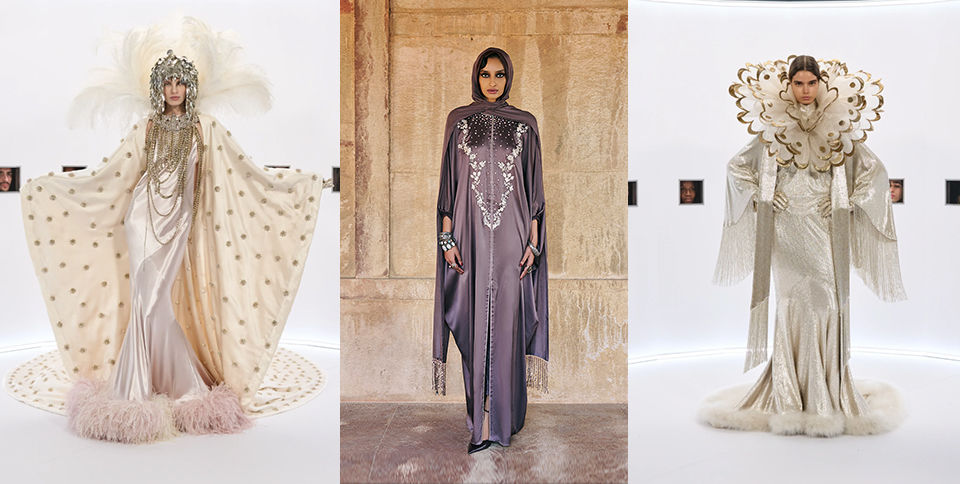
Modest fashion has evolved from a niche cultural expression into a powerful economic and political force within the global fashion industry. What was once dismissed as conservative dressing is now influencing couture runways and reshaping luxury retail strategies. Yet modesty in fashion has long been misunderstood. For decades, modest dress - often reduced to the image of the hijab - was framed within a narrow narrative of restriction and conservatism. Today, however, that narrative is being challenged. Across runways, retail markets, and social media, modest fashion has evolved into a powerful design language and a thriving luxury sector. What was once perceived as cultural limitation is now influencing global fashion aesthetics, consumer markets, and even haute couture. The politics of modest luxury therefore lies not only in how women dress, but in how identity, faith, and commerce intersect within the global fashion system.
The influence of modest dressing is also visible during seasonal cultural moments. During Ramadan, for instance, a noticeable shift in clothing occurs across cities such as Dubai and the wider UAE. Flowy abayas, oversized cloaks, and relaxed silhouettes appear across streets and social gatherings. While for some this may simply be a seasonal aesthetic or gesture of cultural respect, it also reflects how modest silhouettes have become embedded within contemporary fashion culture.
At the same time, demand for modest fashion continues to grow globally. Women are increasingly expressing themselves confidently through clothing that balances coverage with style. For some, modesty includes the hijab; for others, it appears through longer silhouettes, layering, and relaxed tailoring. What unites these interpretations is not a single garment but a broader philosophy of dressing with intention.
Recent couture collections have quietly echoed this shift. Designers are increasingly exploring silhouettes that emphasize coverage, layering, and fluidity - elements long associated with modest dressing.
Valentino’s Spring 2026 haute couture show presented kaftan-like gowns that carried an air of quiet opulence. Flowing silhouettes and rich colour palettes evoked a sense of goddess-like reverence, allowing the garments to move with both grandeur and restraint. The collection personified couture’s ability to balance drama with dignity, presenting elegance not through excess but through controlled, sculptural fluidity. In doing so, Valentino offered a powerful interpretation of modest luxury within the language of haute couture.
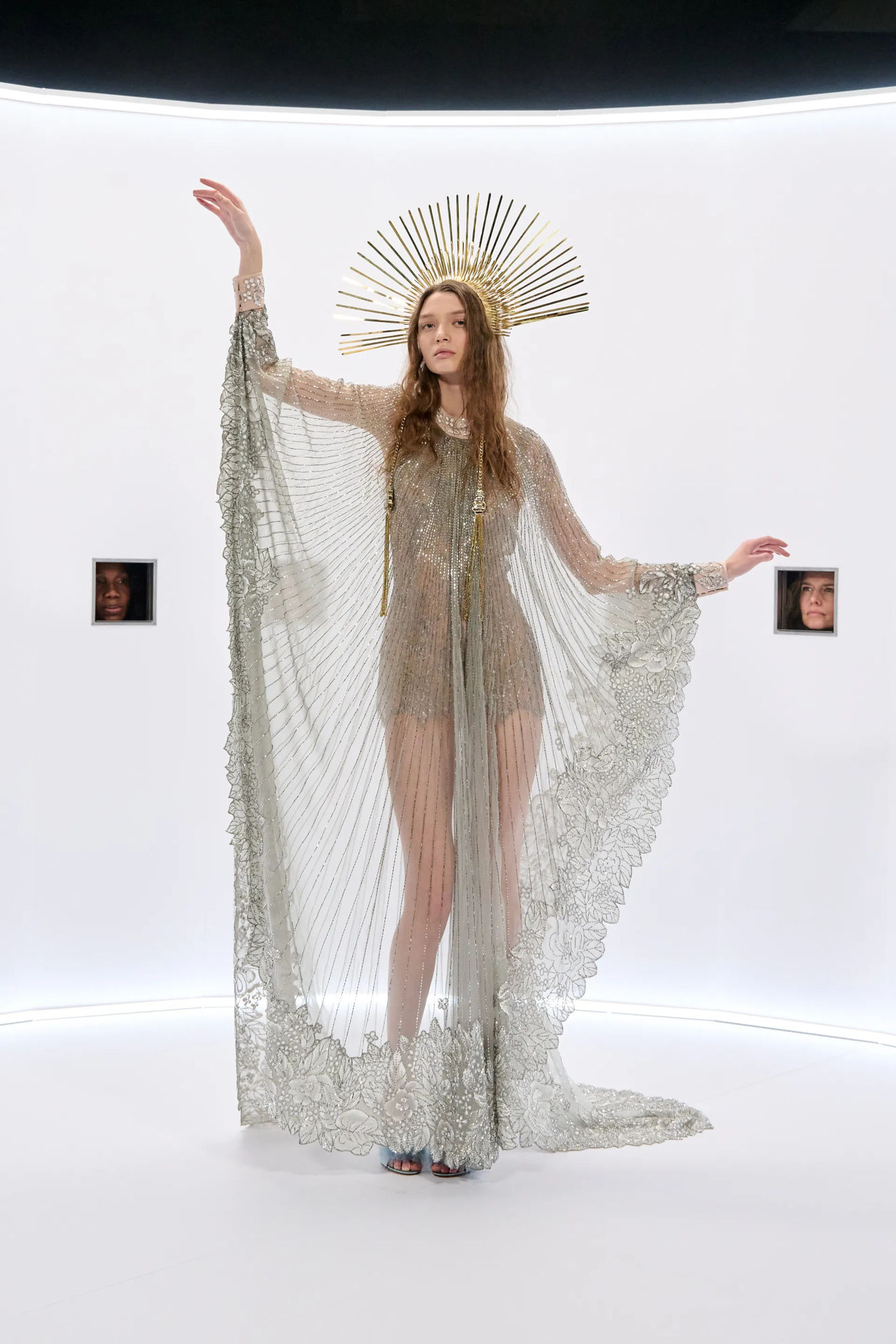
Valentino - PFW - HC - SS26
Armani, on the other hand, leaned into understated glamour. Structured silhouettes, minimal embellishment, and weightless fabrics created an atmosphere of quiet luxury, demonstrating how modesty can exist within modern sophistication.
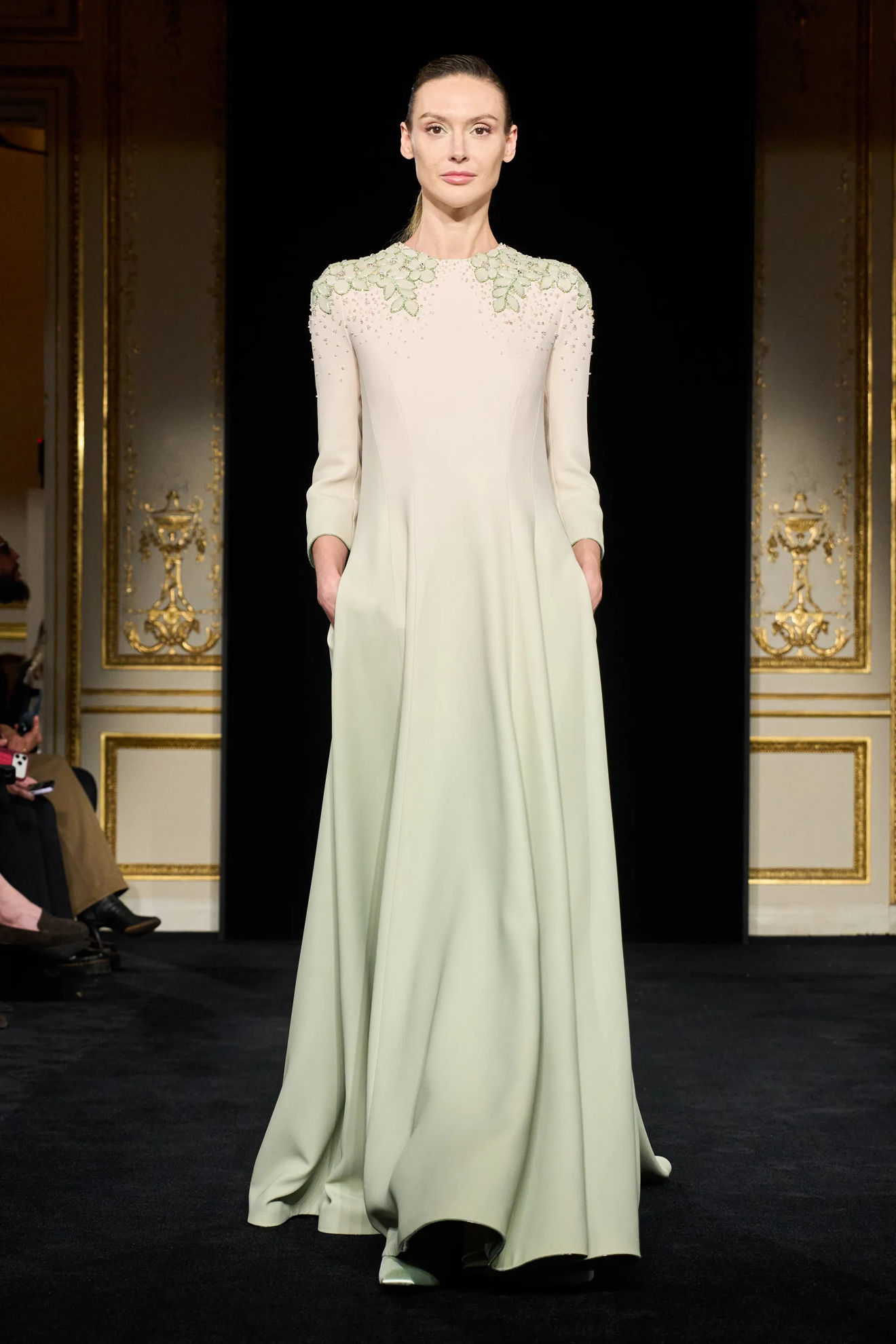
Giorgio Armani - PFW - HC - SS26
Meanwhile, Schiaparelli presented dramatic tailoring that conveyed a more emotional narrative. Creative director Daniel Roseberry drew inspiration from the Sistine Chapel, translating spiritual and artistic references into sculptural silhouettes. Though theatrical in nature, the collection still resonated with the broader theme of modest modernity through coverage and layered construction. For many observers, the collection emerged as one of the highlights of the evening.
Beyond the couture runway, modest silhouettes have long existed within regional fashion traditions. In Pakistan and its neighbouring countries, including India and China, long, flowy kaftans have been a beloved part of fashion for decades. In recent years, particularly around 2025, the kaftan experienced a renewed surge in popularity. In India, the kaftan carries a cultural and symbolic nuance, often intertwined with traditional beliefs, rituals, and everyday comfort; people lounge or even sleep in it. What may, in another region, appear as a trend may reflect deeply rooted centuries-old cultural practices, showing how style and tradition often overlap in subtle and fascinating ways.
Building on these enduring traditions, Pakistani designers have taken the kaftan to new heights, marrying heritage with modern luxury and giving the silhouette a distinct contemporary voice. Pakistani designer Farah Talib Aziz, among many, pays a vibrant ode to the kaftan. Her signature use of vivid colour palettes, paired with understated yet glamorous detailing, renders each piece strikingly elegant. Whether you’re in the mood for relaxed sophistication or full-on glamour, she delivers. Deepak Perwani asserts his mastery over embellishment, transforming voluminous kaftans into works of art that shimmer with drama. Meanwhile, Rozina Munib’s designs are a perfect amalgamation of tradition and contemporary adaptation - the thoughtful blending of silhouette, texture, and technique elevates each kaftan into something truly extraordinary.
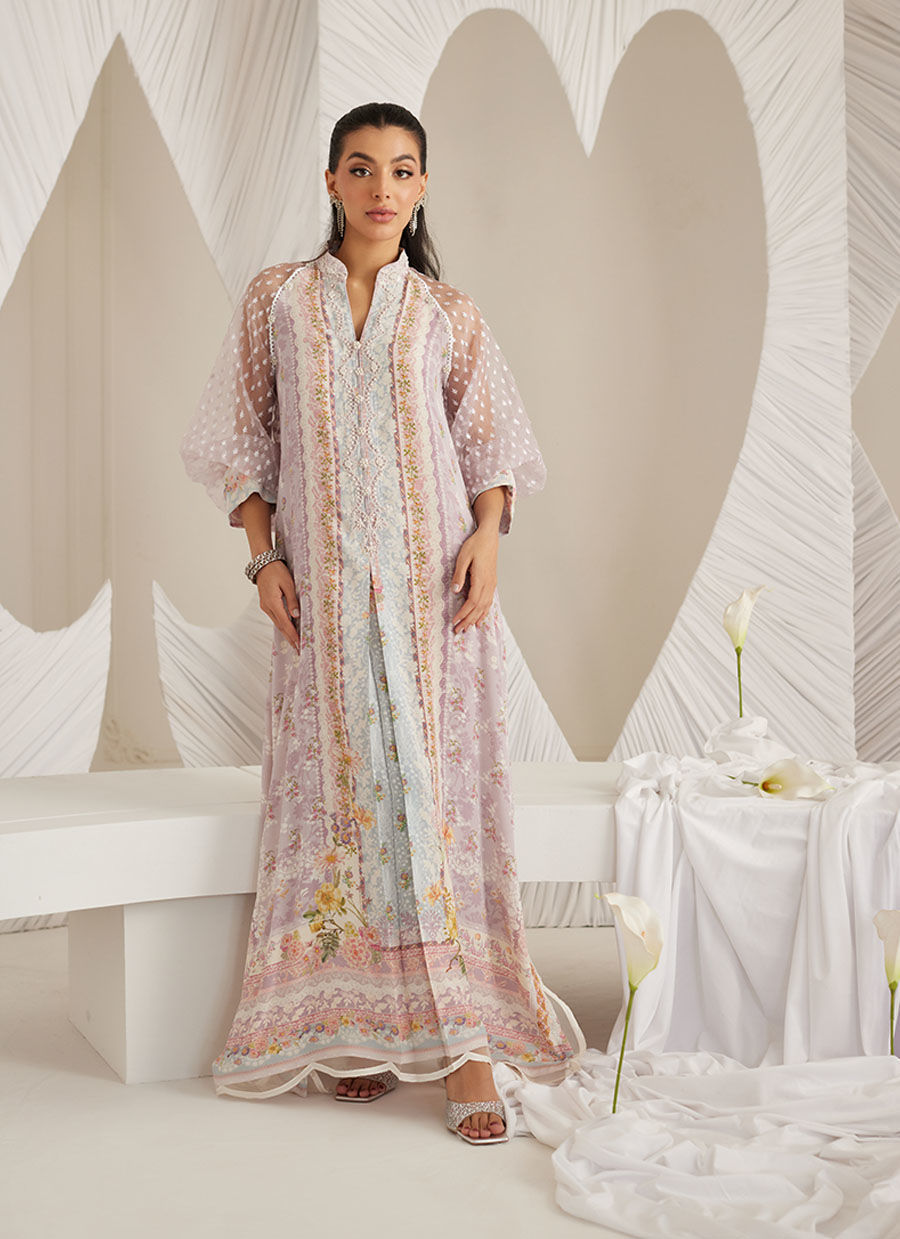
Farah Talib Aziz - Bianca Lavender Kaftan
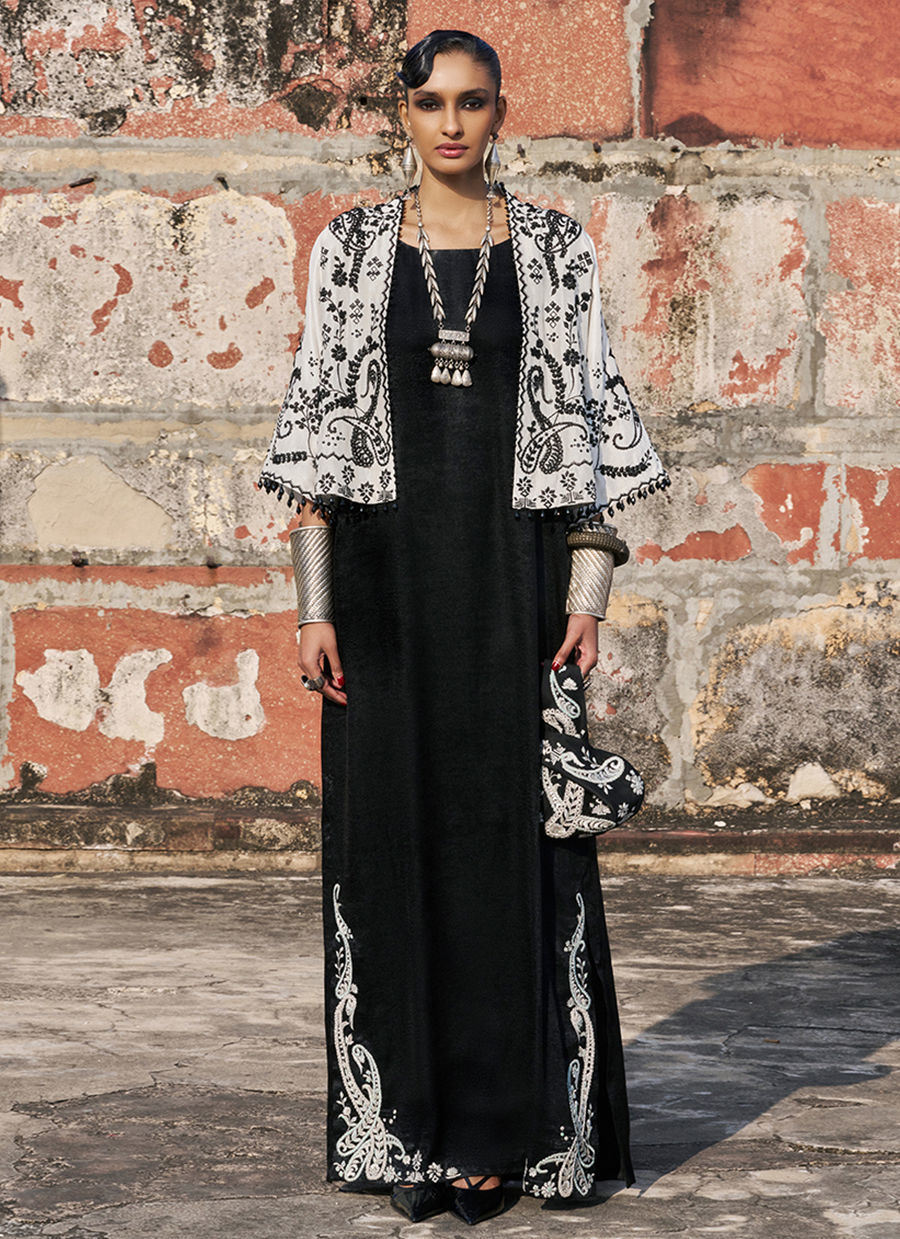
Rozina Munib
From an industry perspective, the strategic alignment between modest dressing and fashion is proving increasingly powerful. The modest fashion sector has grown into a multi-billion-dollar global market. Since the early 2020s, the Muslim consumer market - often referred to as ‘Generation M’ - has played a significant role in shaping demand. As brands recognize the scale of this consumer base, modest aesthetics are increasingly appearing on mainstream runways and in global retail strategies.
Retailers such as Uniqlo, H&M, Mango, and DKNY have all launched modest collections, particularly during Ramadan, acknowledging both the cultural and economic significance of this growing market.
Today, modest fashion is no longer defined by a single silhouette or garment. It may appear as a long coat paired with a scarf, a layered evening gown, or an oversized kaftan worn with contemporary styling. For some women the hijab remains central, while for others modesty is expressed through silhouette and styling choices alone. The defining factor is not restriction, but comfort, identity, and personal expression.
Social media has also played a transformative role in this shift. Platforms allow consumers to connect directly with designers, discover styling inspiration, and participate in a global conversation about fashion and identity. Modest fashion influencers, designers, and stylists have created communities that celebrate diversity in how modest dressing is interpreted.
Runway shows in Dubai, London, Jakarta, Amsterdam, and Riyadh emerged as true game-changers. As consumers increasingly engaged with high-value markets, the industry experienced remarkable growth. Beyond commercial success, these initiatives also champion ethical and sustainable fashion, operating under a strict zero-waste policy. In this sense, the politics of modest luxury lies in its ability to redefine elegance on its own terms - quietly challenging long-standing assumptions about beauty, visibility, and power within the global fashion landscape.
Sign up now to get your brand listed on the largest eastern designer wear platform.



Take a screenshot, call/WhatsApp us at
+(971) 56 224 4288
or email at
[email protected]