You have no items in your shopping cart.
- New UserRegister now and make the most of My Account.
- Register
Search
By Team Meraki
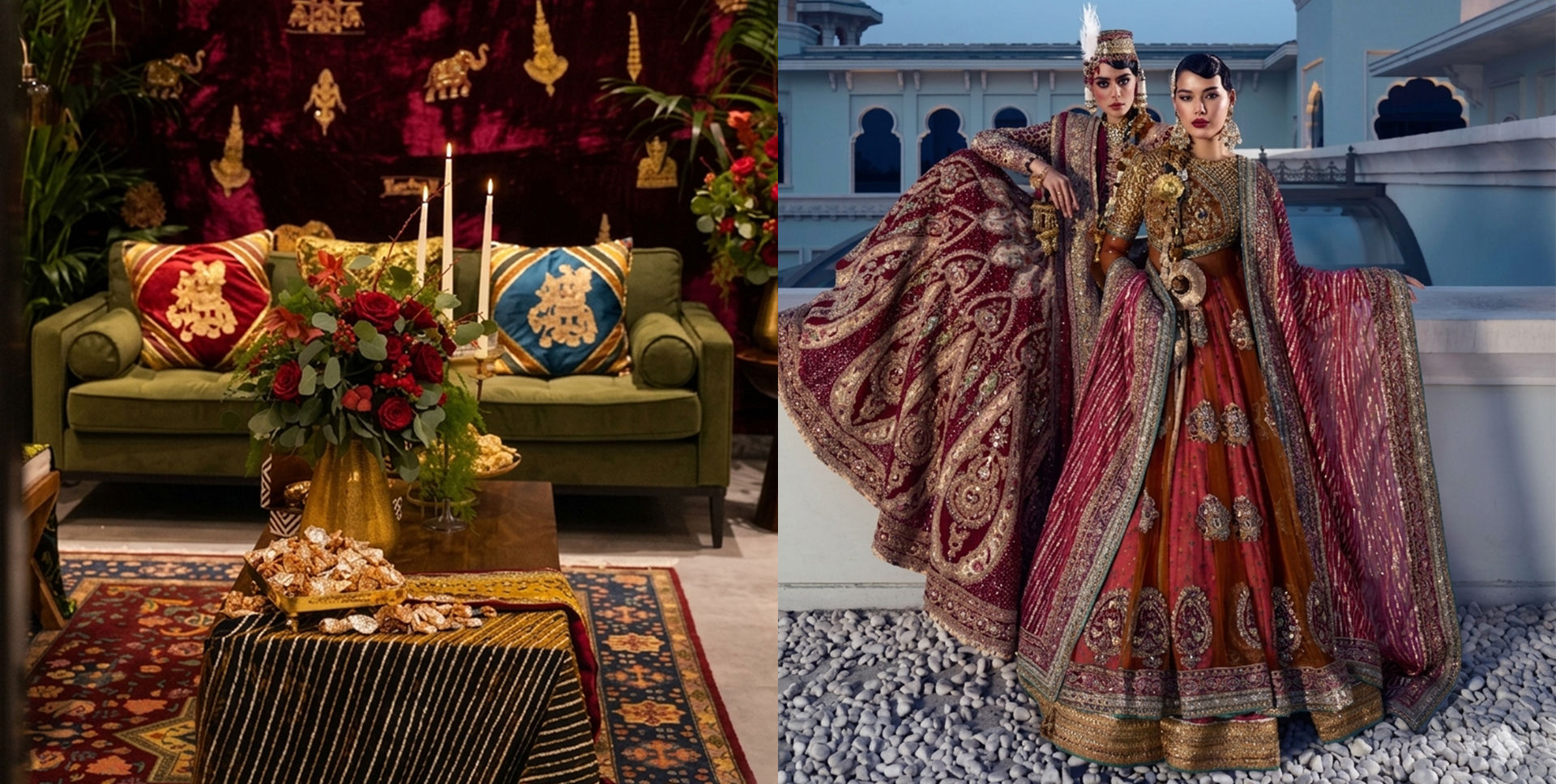
Luxury was once defined by rarity. Today, it is shaped by reach. Democratisation has strengthened luxury as a market - expanding growth, accessibility, and attracting new consumers globally and across South Asia. Yet in making luxury visible, attainable, and everywhere, the industry risks what gave it meaning in the first place: exclusivity. This is the luxury paradox. What was once reserved for a select few now exists in the hands of many - blurring status, confusing value, and redefining what it truly means to be ‘luxury.’ As accessibility expands, exclusivity fades - raising a critical question: if everyone can access luxury, does it remain luxury at all?
The shift has been both strategic and inevitable. Luxury brands, once built on restriction and distance, have increasingly leaned into expansion - targeting aspirational middle-class consumers, younger audiences, and emerging markets. This has not only accelerated growth but also redefined who luxury is for. The rise of purchasing power, digital platforms, global retail networks, and social media visibility has collapsed the distance that once separated the consumer from the brand. What was once a controlled, invitation-only system has evolved into an algorithm-driven ecosystem - where visibility, not scarcity, often dictates desirability.
Collaborations have played a pivotal role in this transformation. When Karl Lagerfeld partnered with H&M in 2004, the collection sold out almost instantly, signalling a turning point in how luxury could intersect with mass retail. Years later, Sabyasachi Mukherjee followed a similar path with his 2021 collaboration with H&M - bringing heritage Indian luxury into a global, accessible format. These moments are not anomalies; they represent a structural shift in how luxury engages with scale. Today, collaborations are no longer experimental. They are embedded into brand strategy, functioning as deliberate tools for customer acquisition rather than one-off cultural moments.
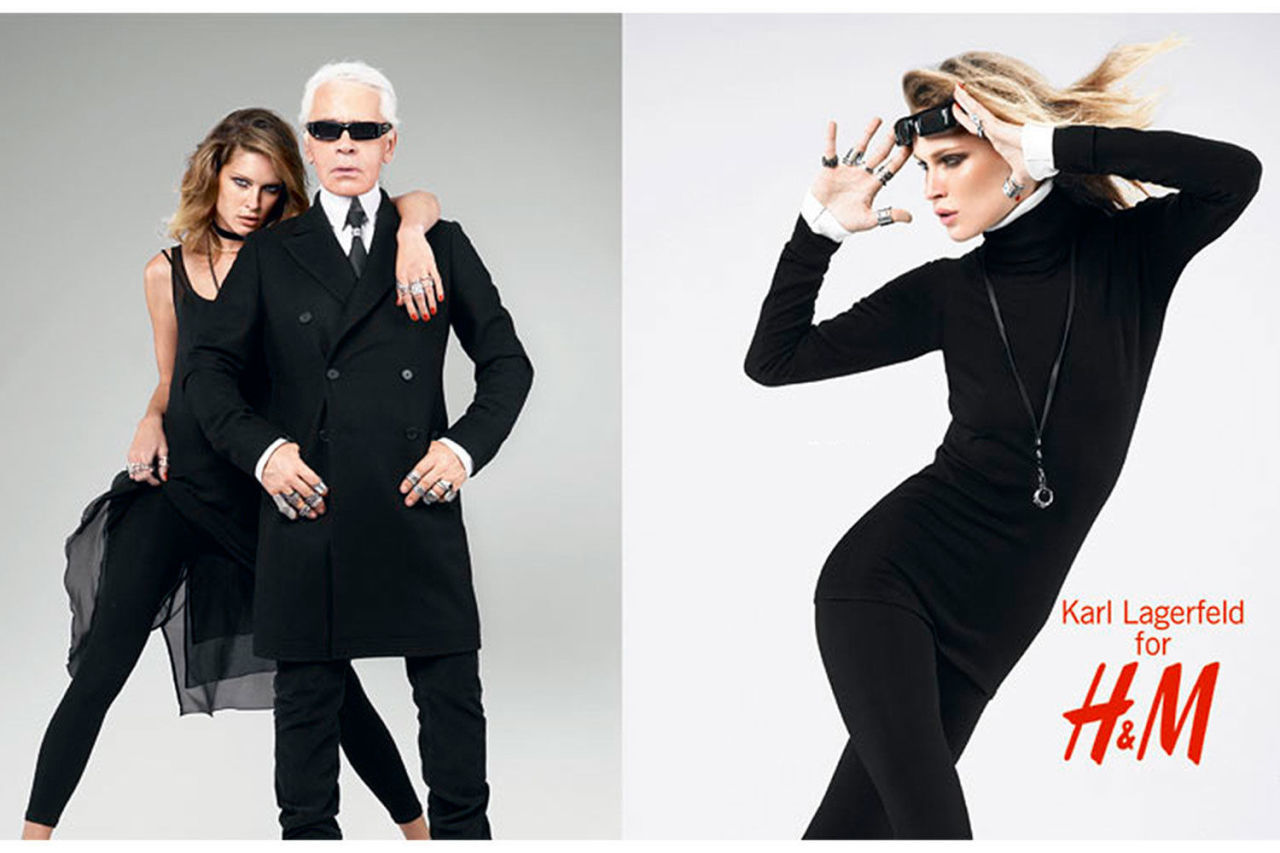
Photo Courtesy - H&M
Unlike H&M, which pioneered the designer collaboration model by democratising luxury for the mass market, Zara historically built its dominance through speed, trend responsiveness, and vertically integrated production rather than high-profile creative partnerships. Its model was rooted in immediacy - offering runway-inspired fashion at an accelerated pace.
However, Zara’s recent shift towards designer collaborations signals a strategic evolution. Collaborations with designers and, more notably, its partnership with John Galliano mark a turning point - indicating a move beyond replication towards cultural relevance. This does not necessarily position Zara within the luxury space, but rather reflects an effort to engage with fashion at a higher creative and symbolic level, where association and narrative carry as much weight as product.
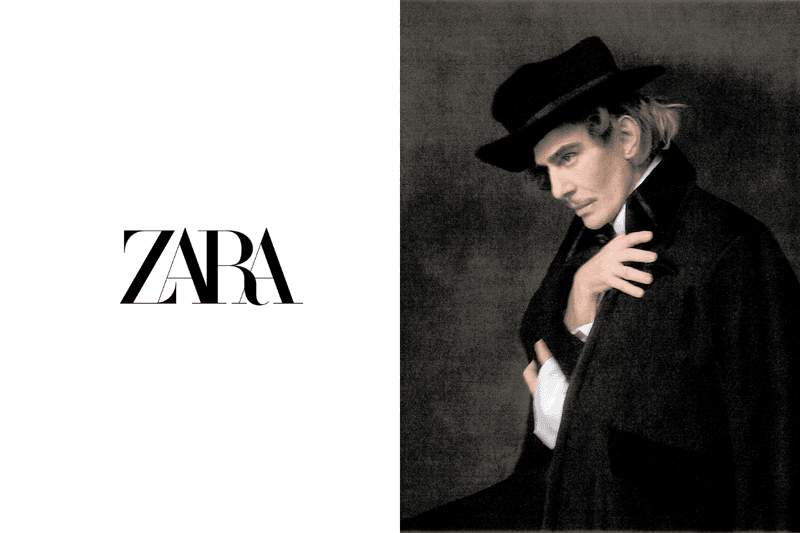
Photo Courtesy - Google Images
This democratisation is equally visible within South Asia. Brands in Pakistan have begun building tiered ecosystems - balancing aspiration with accessibility. Labels like Khaadi have introduced elevated lines such as Khaadi Khaas, while designers like Zara Shahjahan and Élan have expanded into more accessible sub-brands like Coco and Zaha. These moves reflect a broader recalibration - luxury is no longer a singular, distant entity but a layered offering that caters to multiple entry points. This tiering model allows brands to scale revenue without fully abandoning exclusivity - effectively segmenting aspiration across price brackets while maintaining a unified brand narrative.
At the same time, digital innovation has accelerated this accessibility. Luxury today is not only purchased in boutiques but experienced through screens. Virtual try-ons, augmented reality, and online exclusives have reshaped consumer interaction. Platforms like Gucci Vault have introduced digital collectibles and archival pieces, while Dior has invested in immersive AR experiences. These shifts have made luxury more interactive, but also more visible - and therefore, less distant. In this context, digital does not just distribute luxury - it redefines it, shifting value from physical ownership to experiential engagement.
Yet, while access has expanded, exclusivity has not disappeared - it has evolved. In many ways, it has become more strategic and controlled. Certain brands continue to preserve scarcity through waitlists, limited production, and client filtering. The model perfected by Patek Philippe and Hermès - where access is earned rather than given - reinforces this shift. These mechanisms reinforce scarcity and maintain desirability, suggesting that exclusivity today is less about who can see luxury and more about who can access it under specific conditions. Scarcity, in this sense, is no longer organic - it is carefully engineered.
This contrast is perhaps most evident in couture. In Pakistan, designers like Bunto Kazmi represent the extreme end of exclusivity - where craftsmanship, time, and access define value. Her pieces often require 6 to 12 months of handwork, involving master artisans and intricate embroidery techniques, positioning them as heirloom investments rather than seasonal purchases. In some cases, highly intricate textile works have taken over a year to complete, reinforcing the idea that time itself becomes a marker of luxury. Here, luxury is not diluted - it is intensified through patience, rarity, and human skill. In an industry accelerating toward immediacy, time-intensive craftsmanship has become one of the last uncompromised forms of exclusivity.
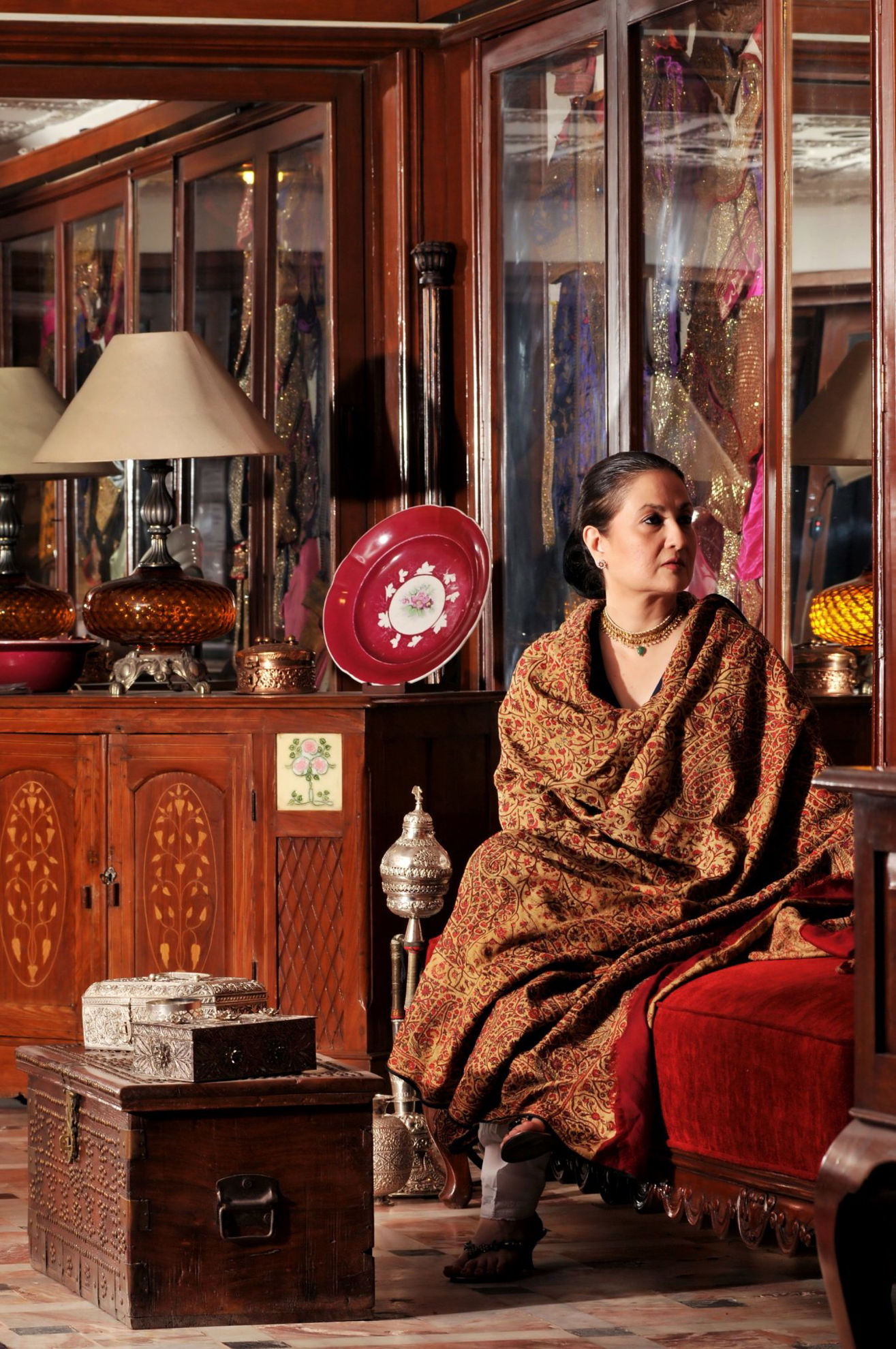
Photo Courtesy - Bunto Kazmi
At the other end of the spectrum lies the rise of resale markets, dupes, and ‘first copies,’ which further complicate the luxury landscape. Consumers today can access the appearance of luxury without engaging with its original ecosystem. This creates a new kind of visibility - one where ownership is no longer the sole indicator of status, and authenticity becomes increasingly difficult to distinguish. The result is a decoupling of price and perception - where what something costs and what it signifies are no longer aligned.
The result is a shift from ownership to perception. Luxury is no longer defined solely by what one owns, but by how it is understood, styled, and signalled. For some, accessibility represents empowerment - an opportunity to participate in fashion once considered out of reach. For others, it represents dilution - a loss of distinction in an oversaturated market. This duality sits at the core of the modern luxury consumer - simultaneously seeking inclusion and distinction.
Democratisation, then, is neither entirely beneficial nor entirely detrimental. It has fuelled unprecedented growth, expanded global participation, and reshaped the industry’s economic landscape. At the same time, it has challenged the very codes that once defined luxury - forcing brands to rethink how they create value in an age of visibility.
Democratisation has expanded luxury’s reach and accelerated growth on a global scale. Yet it has also complicated the foundations on which luxury was built - challenging notions of exclusivity, value, and distinction. The question now is not whether luxury can remain exclusive, but how it can continue to create meaning in an increasingly visible and saturated market.
For a new generation, luxury is no longer defined by distance alone, but by identity - how it is worn, interpreted, and made personal. In this shift, exclusivity does not disappear; it evolves. It becomes less about restriction and more about nuance, less about access and more about perception.
Perhaps luxury has not been diluted, but exposed. What was once protected by rarity now exists in full view - open to consumption, interpretation, and imitation. In such a landscape, true luxury may no longer lie in ownership, but in discernment. The paradox, then, is not something to be resolved, but something the industry must continuously navigate.
Because in a world of access, perceived distance may become luxury’s last true differentiator.
Sign up now to get your brand listed on the largest eastern designer wear platform.



Take a screenshot, call/WhatsApp us at
+(971) 56 224 4288
or email at
[email protected]