You have no items in your shopping cart.
- New UserRegister now and make the most of My Account.
- Register
Search
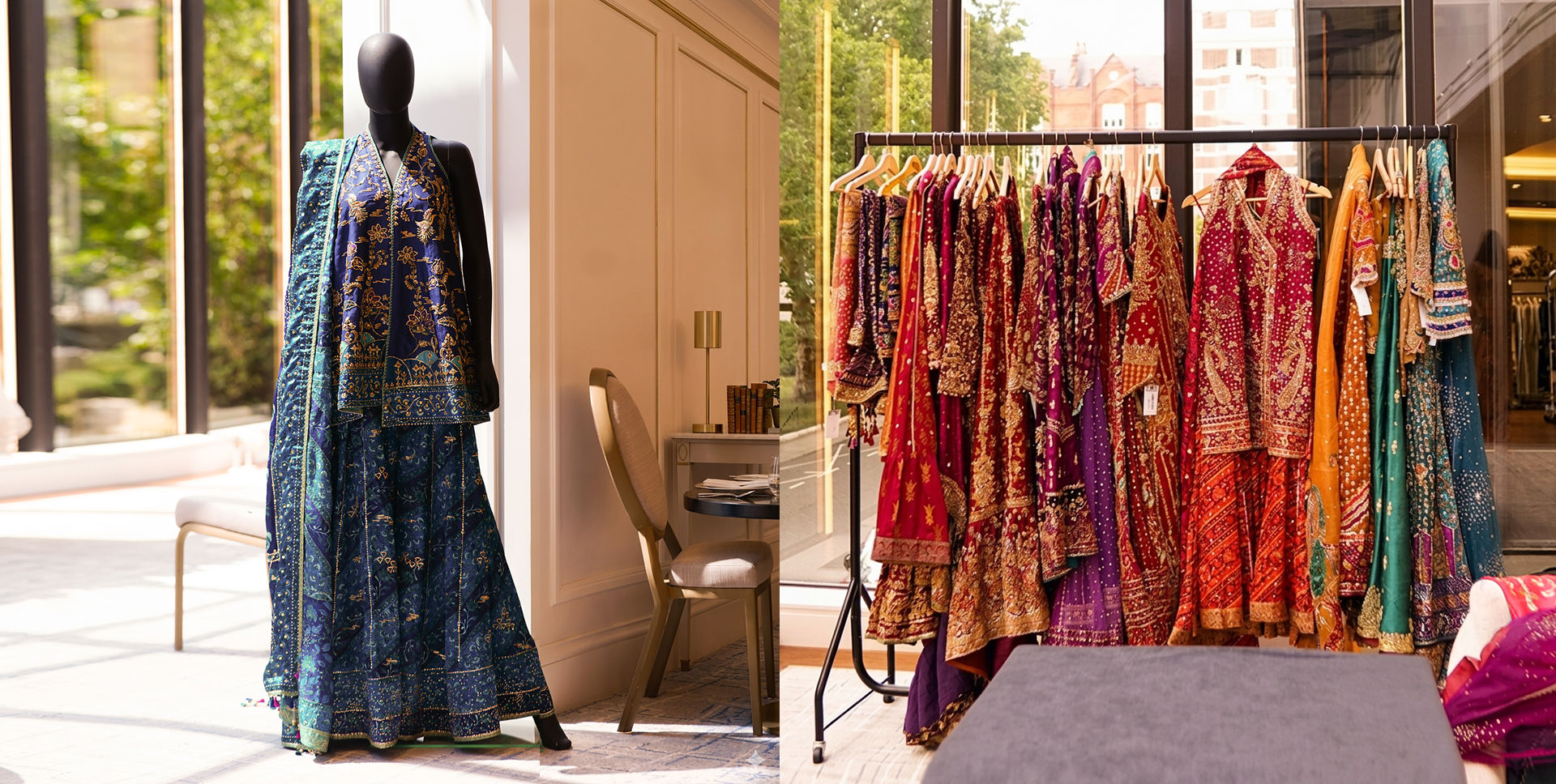
From curating designers to accelerating trends, retailers are quietly emerging as some of the most influential players in Pakistan’s fashion ecosystem.
By Team Meraki
In Pakistan’s rapidly evolving fashion industry, power is no longer held solely by designers. Increasingly, it lies in the hands of multi-brand retailers who curate which designers, collections, and trends ultimately reach the consumer. By bringing a selection of labels under one roof, these stores are doing far more than selling clothes - they are shaping consumer taste, determining which brands gain visibility, and quietly influencing who succeeds in an increasingly competitive market. In a landscape where Gen Z shoppers value convenience and curated experiences, shelf space has become one of fashion’s most powerful currencies.
Spaces such as Ensemble, FPL (Fashion Pakistan Lounge), Labels, and many more have become more than just retail outlets. They function as curators, tastemakers and industry gatekeepers, influencing not only what consumers buy but also which designers gain prominence in an increasingly crowded market.
For today’s shoppers - particularly Gen Z - convenience and discovery go hand in hand. Rather than visiting multiple standalone boutiques, consumers often prefer a single retail destination that offers a curated variety of designers. Multi-brand stores respond to this need by presenting fashion as an edited experience, where the consumer is guided through carefully selected aesthetics, trends, and price points.
For emerging designers, securing placement within a respected multi-brand store can provide immediate credibility and access to a wider audience. For established labels, it offers an additional channel through which their collections reach consumers. Yet the selection process itself reinforces the retailer’s influence: stores ultimately decide which brands deserve that exposure and which remain unseen. As one Lahore-based retailer explains, consumers today are looking for discovery - walking into a space and finding something they didn’t know they needed.
This curatorial power has quietly shifted the balance within Pakistan’s fashion ecosystem. Designers may create the garments, but retailers increasingly determine which ones reach the market in meaningful ways.
The influence of retail becomes especially visible in how trends evolve.
Consider the global popularity of mesh ballet flats, first introduced by Alaïa in 2022. Inspired by simple slippers often worn across parts of Southeast Asia, the design quickly moved from runway to retail. Within months, variations appeared across both luxury labels and high-street retailers such as H&M and Mango. Once consumers began encountering the design repeatedly - both in stores and online - it quickly transformed from a niche luxury item into a global trend.
Pakistan’s fashion landscape offers similar examples of how retail visibility accelerates style adoption. The recent revival of farshi shalwars and voluminous traditional silhouettes - popularized by designers and widely stocked by multi-brand retailers - quickly moved from runway collections into festive wardrobes. As shoppers encountered the silhouette repeatedly across racks and displays, the style transitioned from historical reference to contemporary trend.
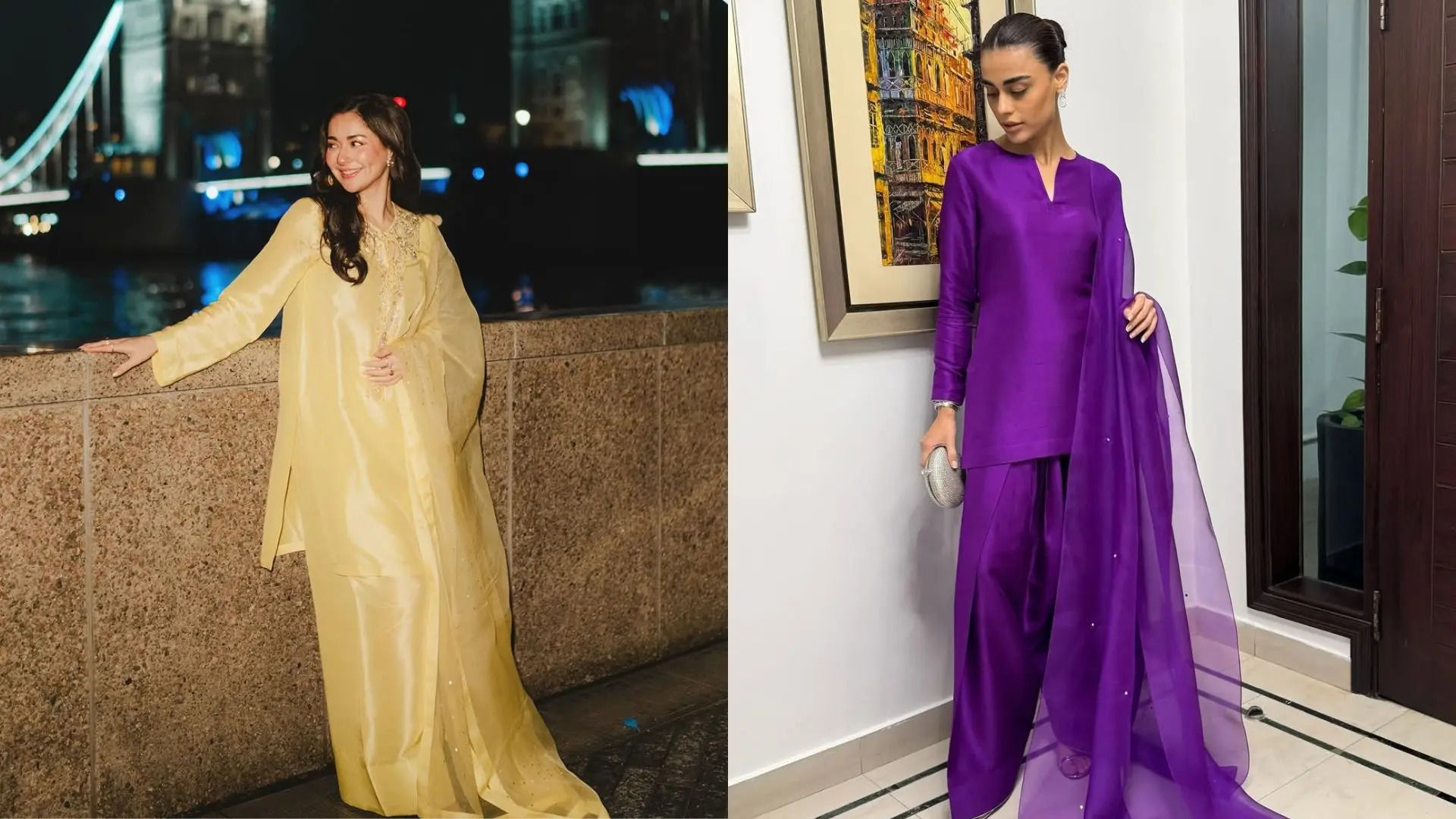
Photo Courtesy - Google Images
A similar trajectory can be seen in the resurgence of raw silk shalwar kameez ensembles. Once associated primarily with traditional formal wear, designers have reintroduced the silhouette in modern cuts and restrained palettes. Multi-brand retailers amplified this revival by stocking variations across multiple labels, effectively positioning the look as a modern luxury staple. Pakistan’s unique lawn phenomenon also illustrates the power of retail curation. What began as a seasonal summer fabric has evolved into a luxury-driven retail moment. Multi-brand stores now dedicate entire sections to premium lawn collections, transforming what was once every day wear into a highly anticipated fashion category. Through curated displays and designer collaborations, retailers have helped elevate lawn from a textile into a fashion event.
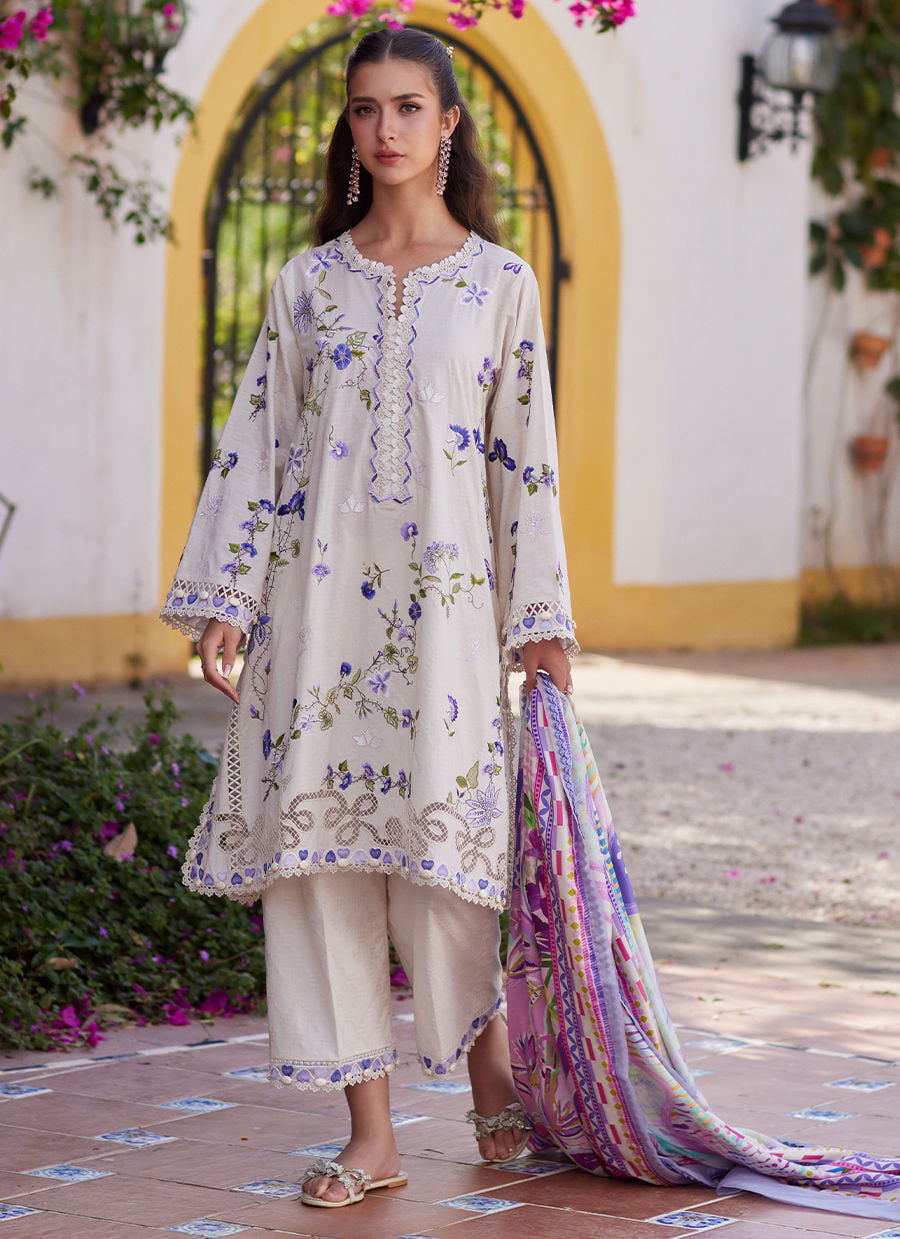
FTA - Luxury Lawn Unstitched '26 - Evita Ivory
Another visible shift lies in the rise of statement dupattas and layered styling. Designers increasingly pair elaborate dupattas with minimal outfits, allowing the accessory to become the focal point of the ensemble. Once these looks began appearing across several multi-brand stores, consumers quickly adopted the styling formula. The pattern is clear: visibility shapes desirability.
The more frequently shoppers encounter a product - on mannequins, curated racks, or visual displays - the more likely it is to evolve into a broader trend.
Despite the growing influence of multi-brand retailers, designers remain central to this ecosystem.
Many labels continue to invest heavily in standalone boutiques that allow them to communicate their aesthetic and brand identity directly to consumers. Khadija Shah, founder of Elan, recently expanded her retail presence with a new flagship store in Islamabad, joining existing locations in Lahore and Karachi. Another example is MUSE, which operates its own standalone stores in Lahore and Karachi, maintaining a strong focus on high-end luxury while largely avoiding mass retail.
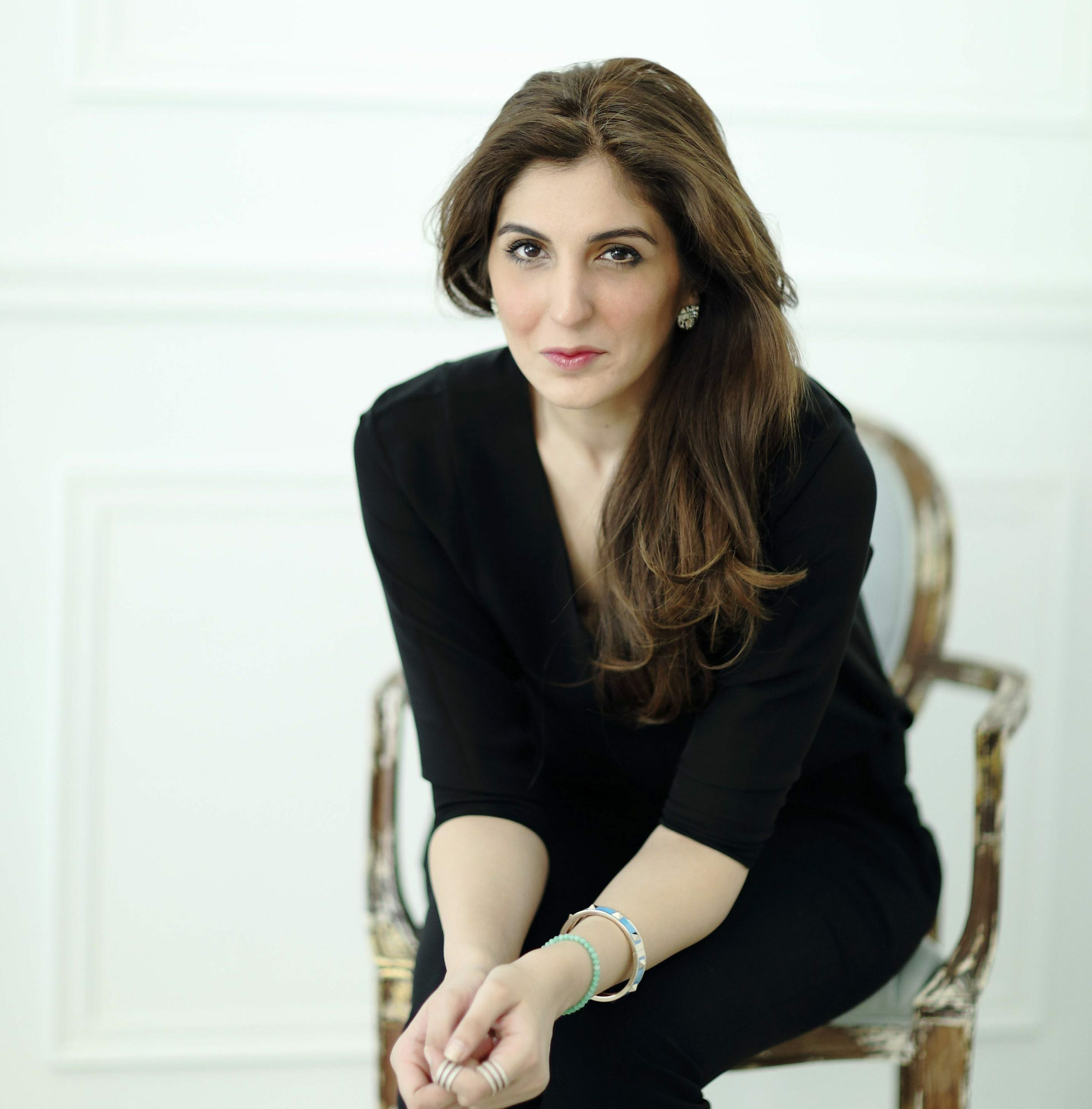
Photo Courtesy - Khadija Shah
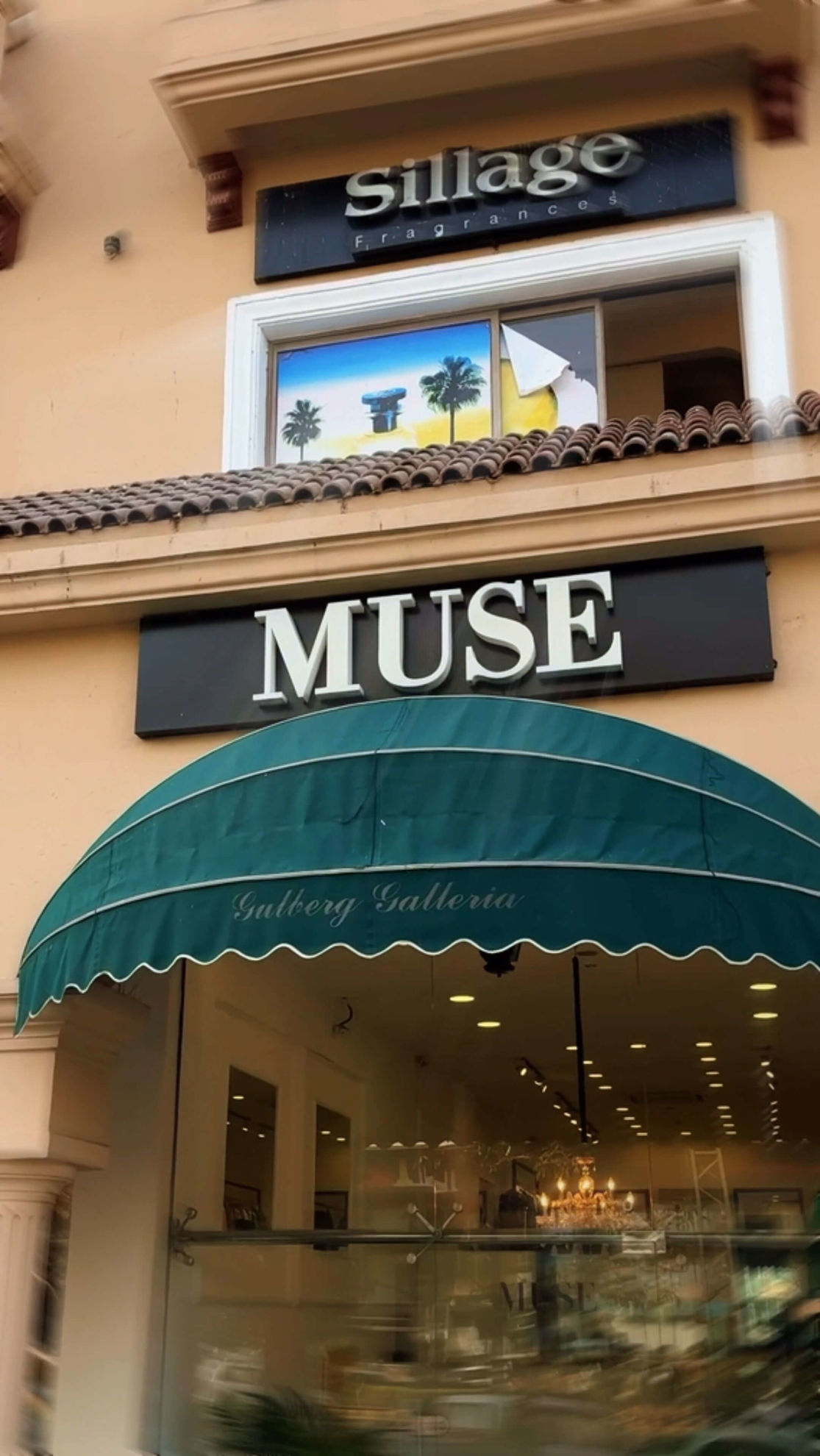
Photo Courtesy - Google Images
For designers, these expansions offer greater control over presentation, pricing, and the overall customer experience.Luxury, after all, thrives on exclusivity.
Some designers intentionally limit product availability, creating waiting lists or restricting distribution in order to preserve a sense of scarcity. Others collaborate with carefully selected retailers that align with their brand identity.
The balance between accessibility and exclusivity remains one of the defining tensions shaping Pakistan’s fashion economy.
Retailers themselves are also evolving. Many multi-brand stores have expanded into concept stores, offering far more than clothing.
From home décor and accessories to lifestyle products, these spaces are designed to transform shopping into a more immersive retail experience. Visual merchandising plays a pivotal role in this strategy.Carefully arranged displays guide consumer attention and subtly influence purchasing decisions.
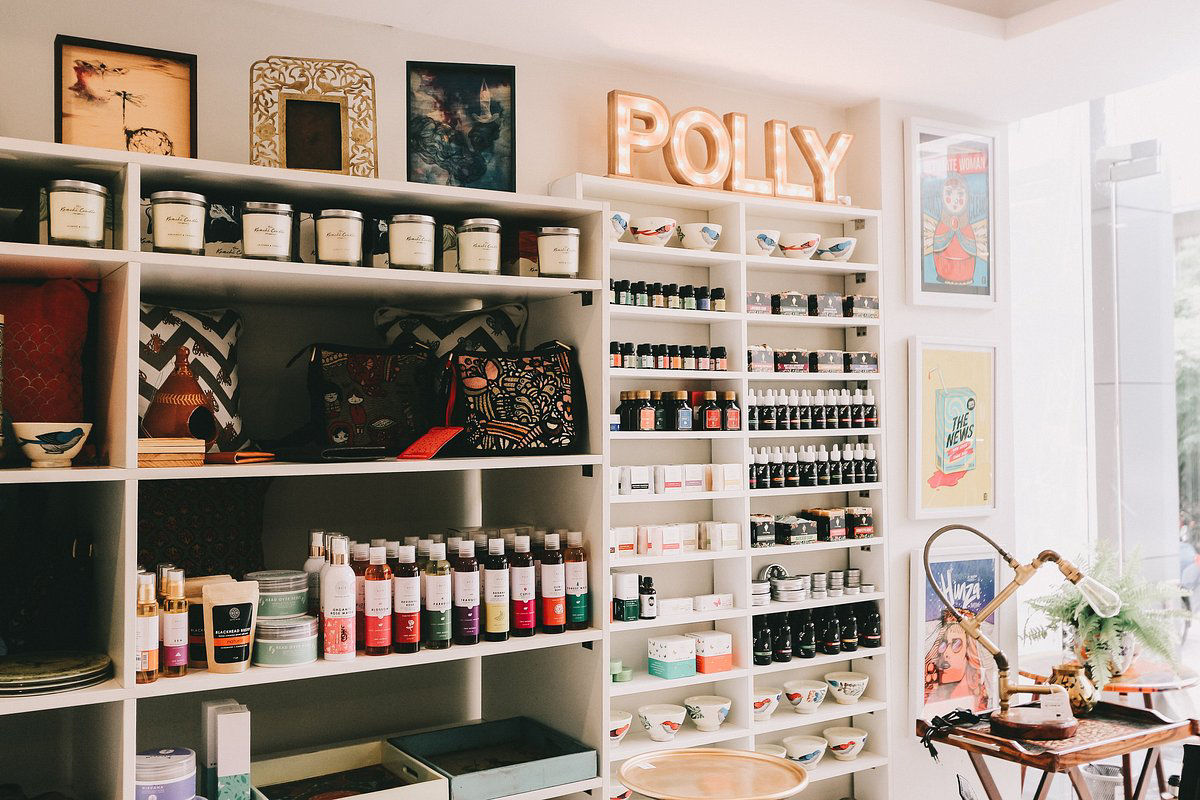
Photo Courtesy - Polly & Other Stories
Increasingly, retailers employ specialized visual merchandising teams or external agencies tasked with optimizing store layouts and product placement. In this environment, even the placement of a garment can shape its success.
The rise of digital fashion commerce adds another dimension to this evolving ecosystem.
Many emerging Pakistani brands now launch exclusively online, building audiences through Instagram and digital platforms before entering physical retail spaces. Globally, fashion discovery is increasingly digital, with Gen Z consumers relying heavily on social media platforms to discover new brands before encountering them in stores.
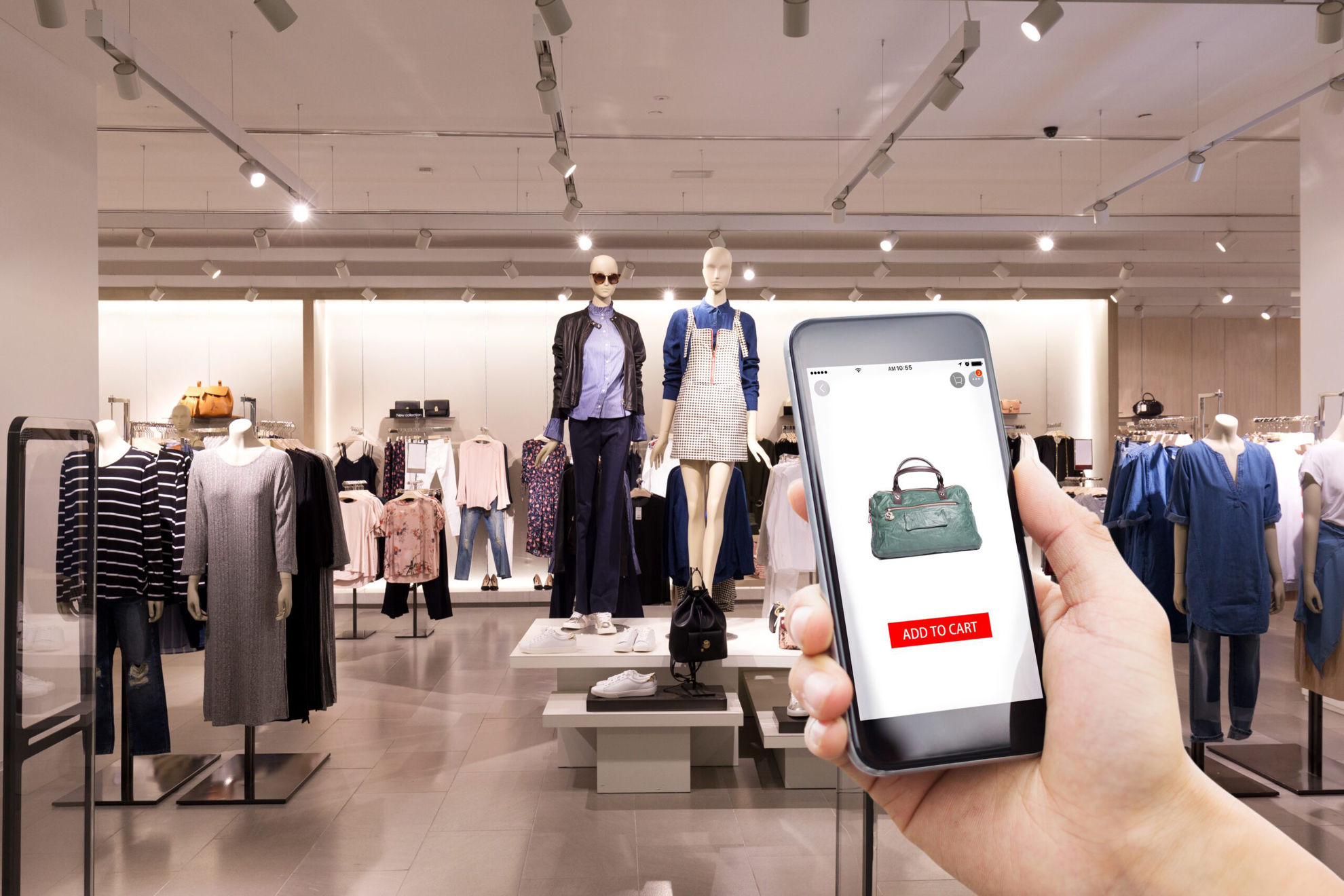
Photo Courtesy - Olive Technologies
Yet transitioning from a purely digital presence to physical retail remains one of the biggest hurdles for new designers. Establishing a boutique - or even securing placement within a respected multi-brand store - requires capital, logistics, and industry credibility.
This reality reinforces the enduring relevance of physical retail spaces. Even in the age of digital commerce, stores offer legitimacy, exposure, and sensory experiences that online platforms cannot replicate.
The rise of multi-brand stores reflects a broader shift within Pakistan’s fashion industry.
Designers may define aesthetics, but retailers increasingly shape how those aesthetics are discovered, interpreted, and consumed. Through strategic selection, visual merchandising, and trend amplification, multi-brand stores now exert significant influence over which labels gain momentum and which trends capture public attention.
In doing so, they are no longer just places to shop, but Pakistan’s new fashion gatekeepers.
Sign up now to get your brand listed on the largest eastern designer wear platform.



Take a screenshot, call/WhatsApp us at
+(971) 56 224 4288
or email at
[email protected]